
What Are the Latest Interior Design Trends in 2026?
The latest interior design trends in 2026 focus on sustainability, functionality, and personalisation. Key trends include:
- Warm minimalism with earthy tones
- Multi-functional furniture for compact homes
- Sustainable and eco-friendly materials
- Smart storage solutions
- Curved furniture and soft edges
- Quiet luxury with premium finishes
- Personalized decor and storytelling interiors
Why Interior Design Trends Are Changing in 2026?
The shift in new interior design trends is largely driven by lifestyle changes. Hybrid work culture, smaller urban homes, and a growing focus on mental well-being are influencing how spaces are designed.
According to industry reports, the global home decor and interior market is expected to grow significantly over the next decade, driven by demand for functional and personalised interiors. At the same time, Indian homeowners are increasingly investing in multi-purpose spaces and smart home solutions.
Most importantly, the 2026 design is about meaning over perfection; homes are now designed to feel lived-in and personal rather than staged.
1. Warm Minimalism Replacing Cold Minimalism
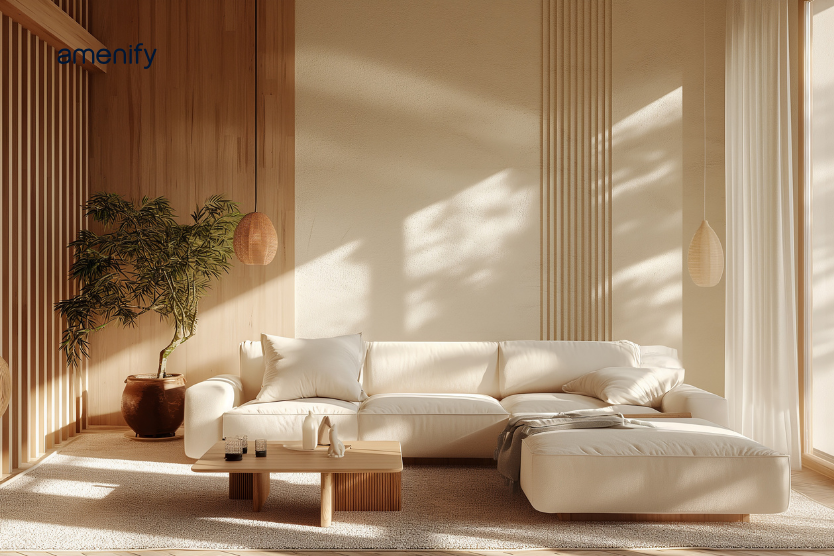
Minimalism isn’t gone, but it’s evolving.
In 2026, stark white interiors are being replaced with warm tones like beige, terracotta, and soft browns. This creates a more inviting and comfortable space.
- Soft lighting instead of harsh white lights
- Natural fabrics like cotton and linen
- Subtle textures over plain surfaces
This trend is especially popular in Indian apartments, where creating warmth in compact spaces is essential.
2. Sustainable Interiors Are Now the Default
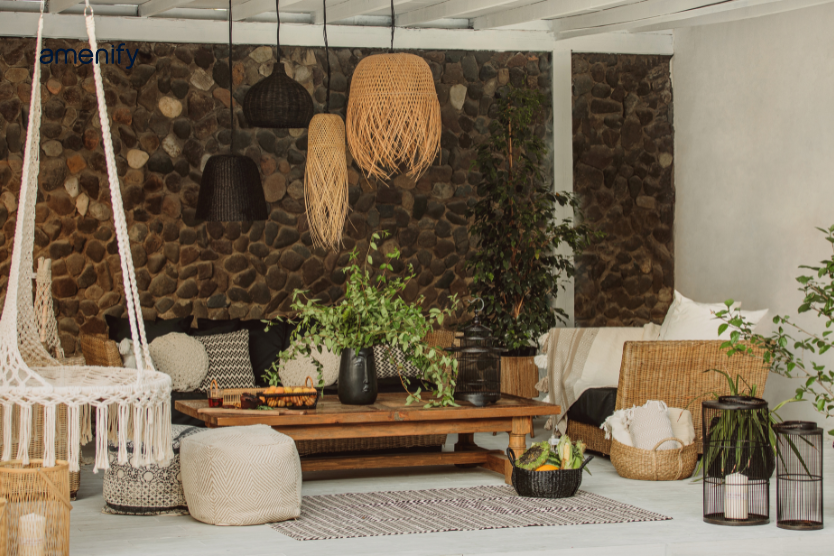
Sustainability is no longer optional; it’s expected. Design experts highlight that sustainability is now embedded in every layer of design rather than being a separate feature.
Homeowners are choosing:
- Reclaimed wood furniture
- Low-VOC paints
- Bamboo and eco-friendly materials
- Locally sourced decor
3. Multi-Functional Spaces for Modern Living
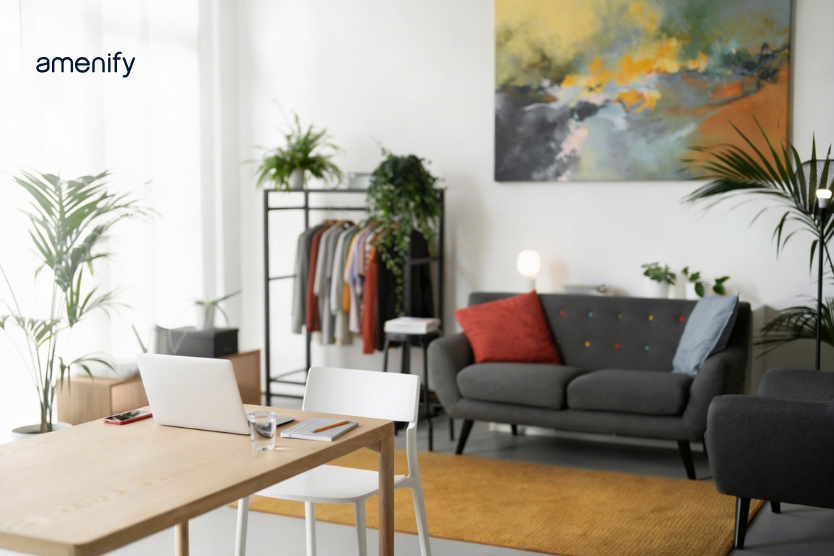
With hybrid work becoming permanent, homes are now designed to serve multiple purposes. Modern homes are becoming more adaptive and efficient, especially in metro cities like Delhi, Mumbai, and Bangalore.
Examples:
- Living room+ workspace
- Foldable dining setups
- Sofa-cum-beds
- Hidden workstations
4. Organic Materials & Textures Everywhere
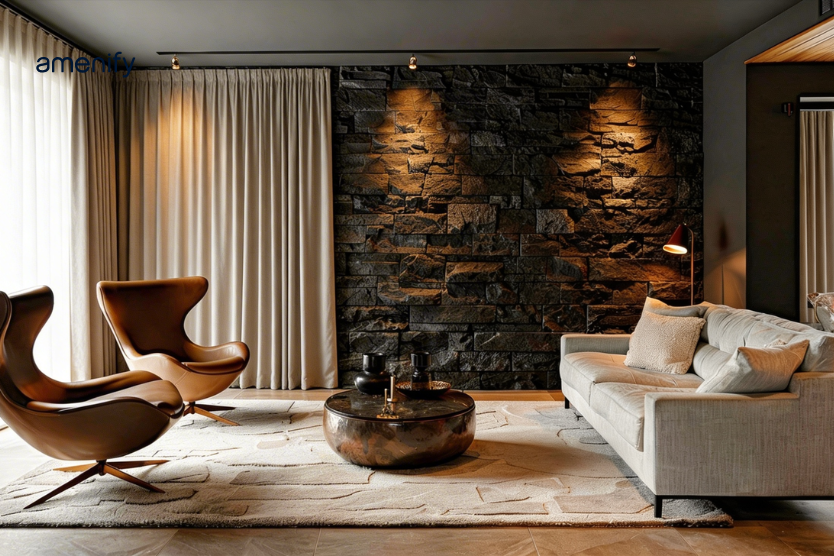
One of the most dominant interior trends in 2026 is the use of natural materials.